PRP Injections in Westchester: 7 Key Benefits and What to Expect Before Treatment
Residents across Westchester — from the Bird Road corridor and Coral Way to the neighborhoods surrounding SW 87th Avenue, Tropical Park, Coral Terrace, and nearby Tamiami — are turning to PRP injections for natural skin rejuvenation. PRP, or Platelet-Rich Plasma, uses your body’s own growth factors to improve texture, boost collagen, and enhance overall tone in a way that looks like you, just healthier. In a Miami climate where sun exposure, humidity, and heat constantly challenge your skin, PRP has become one of the most practical “real-life” treatments people choose when they want results without going straight to surgery or harsh interventions.
At Paradise Medical Center Dermatology Clinic, PRP is performed under dermatologist guidance with protocols designed for South Florida skin types. If you’re researching PRP because you want smoother skin, fewer scars, better glow, or a more youthful appearance without unnatural changes, this guide is for you. We’ll cover the science, what it feels like, who it helps most, and what Westchester patients should do to get the best outcome.
We also serve surrounding Miami-Dade communities, and PRP is often paired with other treatments — like microneedling, Botox, dermal fillers, acne facials, and advanced dermatology care — depending on your goals. You’ll see those linked naturally throughout this article so you can explore them the moment they’re relevant.
Quick trust links: If you want to see our clinic’s Google Business Profile or location context while reading, here’s the official listing for Paradise Medical Center Dermatology Clinic:
Paradise Medical Center Dermatology Clinic on Google Maps.
And for the specific area relevance, here’s Westchester, Florida’s Google Maps profile:
Westchester, FL on Google Maps.
1. What Are PRP Injections and How Do They Work?
PRP injections are a regenerative dermatology treatment that uses your own blood to help your skin repair itself. Here’s the simple version: a small blood sample is drawn, spun in a centrifuge, and the platelet-rich portion is separated out. Platelets are the part of your blood that help you heal when you’re injured — they contain growth factors and bioactive proteins that signal tissue repair. When PRP is injected into the skin (or applied during certain procedures), those growth factors stimulate collagen production, improve circulation, and speed up cellular renewal.
This is different from fillers or Botox. PRP doesn’t “freeze” muscles or add volume artificially. It helps your skin rebuild itself from the inside. That’s why people in Westchester who want natural-looking improvement often start with PRP before doing something more aggressive.
What makes PRP especially effective for Miami-Dade skin?
- High UV exposure: Miami sun breaks down collagen faster. PRP helps recover what UV steals.
- Humidity and inflammation: Constant sweat can trigger clogged pores and irritation. PRP calms inflammation and strengthens the barrier.
- Diverse skin tones: PRP is safe across Fitzpatrick III–V skin types common in Westchester, Coral Terrace, and Tamiami.
- Year-round climate stress: There’s no “break” from sun here. PRP supports ongoing repair.
If you’re still deciding whether PRP fits your goals, a dermatologist can compare it to other options on our dermatology services page, especially if you’re choosing between PRP, laser treatments, or a combination plan.
2. What Skin Concerns Can PRP Improve?
PRP is one of the most flexible treatments in medical aesthetics because it targets the skin’s core rebuilding mechanisms. In Westchester, we see PRP used for both medical and cosmetic reasons, especially for patients who have sun exposure history or chronic inflammation from the heat and humidity.
PRP is commonly used to improve:
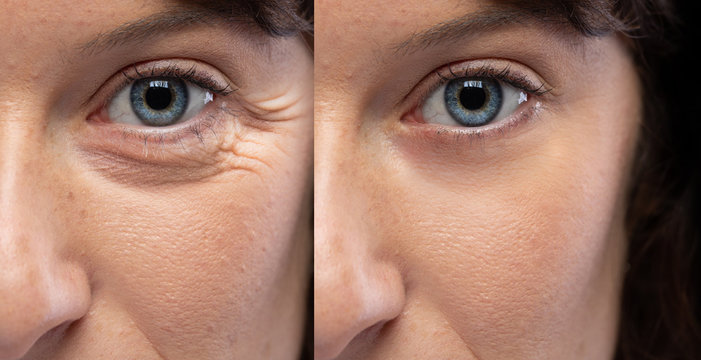
- Fine lines and early wrinkles: Especially around eyes and mouth as collagen drops.
- Uneven skin tone: Sunspots and blotchiness that show up after years of Miami UV.
- Dullness and dehydration: PRP boosts microcirculation and skin radiance.
- Acne scars: PRP improves texture by stimulating collagen in scar tissue.
- Large pores: By reinforcing the dermal structure beneath pores.
- Crepey or thinning skin: Often on the under-eye area or cheeks.
- Post-inflammatory hyperpigmentation: Particularly in medium to tan skin tones.
For acne scar patients, PRP often works best when paired with microneedling or controlled resurfacing. For active acne, we typically guide patients first through medical management and targeted acne facial treatment plans so PRP is applied at the right stage.
PRP can also support hair and scalp health when the main concern is thinning; that’s covered separately on our PRP for hair loss page, but the biology is similar — growth factors push follicles back into a stronger growth cycle.
3. How Does a PRP Session Work?
Most Westchester patients are surprised by how simple the appointment is. A session typically takes 45–60 minutes, and you can return to normal activity the same day. The steps below give you a clear idea of what happens from start to finish.
Typical PRP session steps
- Consultation and skin assessment: Your dermatologist reviews your goals, skin type, and history (sun exposure, acne, sensitivity, etc.).
- Blood draw: A small amount of blood is collected from your arm.
- PRP processing: Blood is spun in a centrifuge to concentrate platelets.
- Numbing prep: A topical anesthetic is applied for comfort.
- Injection mapping: The dermatologist identifies key areas (under-eyes, cheeks, scars, temples, or full face).
- PRP injections: Tiny injections are placed across the treatment zone.
- Soothing finish: A calming serum is applied and aftercare is reviewed.
Some patients choose to combine PRP with microneedling in the same visit. When PRP is applied during microneedling, it penetrates more evenly through micro-channels and can improve scar remodeling faster. If you’re curious about that pairing, check our microneedling treatment guide after reading this.
People who want more overall facial refresh sometimes combine PRP with low-dose Botox or subtle fillers spread over time; those options are explained on the Botox and fillers pages, and a dermatologist will guide you only if they genuinely help your specific facial anatomy.
4. Is PRP Safe for My Skin Tone?
Yes. PRP is one of the safest skin rejuvenation treatments available because it uses your own blood. There are no synthetic chemicals, no foreign substances, and no bleach-like agents that can unpredictably irritate darker skin. That matters in Westchester, where many residents have medium to deep complexions and are understandably cautious about treatments that could cause hyperpigmentation.
Why PRP is considered low risk
- Autologous material: It’s your own platelet concentration.
- No allergic reaction risk: Your body recognizes it completely.
- Minimal downtime: Usually mild redness or swelling for 24–48 hours.
- Safe across Fitzpatrick types: Particularly important in Miami-Dade diversity.
If you have a history of keloids, melasma, or post-inflammatory hyperpigmentation, your dermatologist will adjust technique and spacing and may add supportive steps like barrier repair routines or targeted pigment management (often coordinated within broader dermatology care).
5. How Long Until I See Results?
PRP is not a “next-day miracle.” It’s a biological repair process. That said, most Westchester patients notice gradual improvements sooner than they expect, because PRP starts enhancing microcirculation almost immediately. Your skin looks better as it heals and rebuilds.
Typical PRP results timeline
- Week 1: Initial glow, mild tightness, subtle tone improvement.
- Weeks 3–6: Visible improvements in texture, smoother pores, softening of scars.
- Months 2–3: Collagen remodeling increases firmness and elasticity.
- Months 3–6: Peak improvement for scars, fine lines, and overall skin quality.
For some skin concerns (like deep acne scarring), PRP is more effective when a series is combined with microneedling or resurfacing. For example, if you’ve been dealing with stubborn pitted scars, your dermatologist may recommend alternating PRP-only visits with microneedling + PRP sessions for the best remodeling effect.
Also, Miami lifestyle matters. If you’re constantly outdoors, hitting Tropical Park daily, or working in sun-exposed areas around Coral Way, results depend heavily on aftercare and sun discipline.
6. Why Choose a Dermatology Clinic in Westchester?
PRP is a medical procedure. While some med spas offer PRP, outcomes can vary wildly because concentration, injection depth, sterility, and treatment mapping all determine whether the platelets actually activate skin regeneration. Dermatologist-led PRP ensures safety and real clinical results.
Dermatology clinic advantages
- Medical-grade PRP systems: Higher platelet concentration = stronger results.
- Correct injection technique: Prevents bruising and uneven outcomes.
- Skin diagnosis included: If acne, rosacea, or dermatitis is present, it’s treated medically first.
- Miami-specific protocols: Adjusted for humidity, UV load, and pigment risk.
- Combination planning: PRP is coordinated with Botox, fillers, laser, or microneedling only if needed.
Examples of combination planning happen a lot in Westchester because patients are dealing with multiple Miami-climate stressors. Someone may come in for PRP, but also need medical support for rosacea or sensitive skin, which is handled through our general dermatology clinic services before proceeding with cosmetic work.
If fine lines are a separate issue, PRP may be paired with conservative Botox (see Botox in Westchester) to prevent lines from re-forming while PRP rebuilds collagen underneath.
7. How Often Should I Get PRP?
Most patients do best with a short “series” first, then maintain. Dermatologists in Westchester generally recommend:
- Initial series: 3 sessions spaced 4–6 weeks apart.
- Maintenance: 1 session every 6–12 months depending on goals and sun exposure.
Patients with acne scars, melasma, or high UV exposure may benefit from slightly more frequent maintenance. Others who stay consistent with sunscreen and barrier repair may need less.
Think of PRP like training your skin to behave younger — not forcing it to look younger overnight. Consistency is what makes PRP powerful.
Areas We Serve in Miami-Dade County
Paradise Medical Center Dermatology Clinic serves Westchester and nearby Miami-Dade communities. Many of our PRP patients come from Coral Terrace, Tamiami, Sweetwater, Fontainebleau, Olympia Heights, and areas close to Miami International Airport. If you’re in Miami-Dade and searching for a dermatologist near you, PRP consultations are available for all surrounding neighborhoods.
Here is a Miami-Dade County map embed for area relevance:
What PRP Feels Like During and After Treatment
Most patients describe PRP injections as mild pressure and tiny pinches, not intense pain. The numbing cream makes a big difference. The under-eye area can be slightly more sensitive, but the injections are quick and shallow.
After treatment, you may notice:
- Light redness for a few hours
- Mild swelling for 24–48 hours
- Small injection dots that fade quickly
- A tight or warm feeling the first day
These effects are temporary and usually easier than what you’d experience with aggressive lasers. If you do PRP combined with microneedling, you may have a slightly stronger sunburn-like look for a day or two — which is normal and part of the healing phase.
For anyone with active acne, your dermatologist may recommend timing your PRP around breakout cycles and layering in an acne control plan. That’s why a quick look at your skin history matters; if you need acne control first, the team will guide you through targeted therapy and options like acne facials so PRP amplifies progress instead of fighting active inflammation.
PRP vs. Other Popular Westchester Treatments
Westchester patients often compare PRP to other treatments before committing. Here’s a grounded breakdown:
PRP vs. Microneedling
Microneedling creates controlled micro-injuries to stimulate collagen. PRP adds growth factors that accelerate and improve healing. On their own, both can work. Together, they work faster and deeper — especially for scars and texture. If your priority is acne scarring or pore reduction, a dermatologist might recommend microneedling with PRP as the most efficient route.
PRP vs. Fillers
Fillers restore volume immediately. PRP builds your own collagen over time. If you want subtle lift without “filler look,” PRP is often step one. If you need volume in targeted zones (like cheeks or tear troughs), PRP may be paired with conservative dermal fillers for a balanced, natural plan.
PRP vs. Botox
Botox prevents wrinkles by relaxing muscle movement. PRP improves skin quality beneath those lines. For many Westchester patients, PRP first improves skin texture and glow; Botox later prevents expression lines from re-etching. Explore a deeper breakdown on our Botox treatment page.
PRP vs. LASER Treatments
Lasers can be excellent for pigment and texture, but they bring higher downtime and higher pigment risk in Miami sun. PRP is gentler and safer year-round. Some patients do PRP between laser sessions to support healing and reduce inflammation. For hair or skin goals combined with lasers, your dermatologist will guide the pacing.
How to Prepare for PRP in Westchester
Preparation helps your platelets perform better. Here’s what dermatologists typically recommend before your appointment:
- Hydrate heavily 24–48 hours before treatment.
- Avoid alcohol the day before and after.
- Limit anti-inflammatories (like ibuprofen) if medically safe — they can reduce platelet function.
- Arrive with clean skin free of makeup or lotions.
- Plan minimal sun exposure for 2 days after, since Miami UV can irritate healing skin.
If you’re someone who spends time outdoors around Tropical Park or frequently drives with direct sun exposure on Coral Way, consider scheduling sessions on a day you can stay mostly indoors afterward.
Aftercare: What Westchester Patients Should Do for Best Results
PRP aftercare is simple, but Miami climate makes a few steps non-negotiable.
Key aftercare tips
- Avoid sweating heavily for 24 hours (skip outdoor workouts).
- No saunas or very hot showers the first night.
- Use gentle cleanser only for 24 hours.
- Wear SPF daily and reapply if outside.
- Moisturize twice a day to support healing.
We also recommend avoiding harsh exfoliants or retinols for a few days after PRP. If you’re combining PRP with microneedling, your dermatologist will likely give you a short barrier repair plan.
Patients who follow aftercare tend to see better outcomes faster. Miami sun is a huge variable — controlling it keeps your results consistent.
Where to Get PRP Injections in Westchester
Paradise Medical Center offers PRP injections performed under dermatologist supervision with safe protocols and advanced equipment. Our clinic supports Westchester residents and nearby Miami-Dade neighborhoods with both medical dermatology and cosmetic regeneration.
If you want to explore PRP as part of a larger skin plan, these pages may help based on your goals:
- Dermatology services in Westchester
- Microneedling for scars and texture
- Acne facials and acne removal
- PRP for hair loss
- Botox for fine lines
- Fillers for volume restoration
- Laser hair removal
For location trust and relevance, here again is our official Google listing:
Paradise Medical Center Dermatology Clinic — Google Business Profile.
And the area context:
Westchester, Florida — Google Maps profile.
If PRP is the right fit for you, your dermatologist will build a plan that respects Miami’s climate, your skin tone, and your specific goals. The focus is always natural improvement, not overdoing it. PRP is one of the most reliable ways to build healthier skin in an environment that constantly tries to break it down.